Only 25% of manufacturing workers are engaged. Here’s why the problem is structural and what actually works to close the communication gap on the factory floor.
See How Digital Signage Drives Engagement →
Manufacturing employee engagement refers to the degree of psychological investment factory workers have in their role, their team, and their organisation. According to Gallup's State of the Global Workplace (2023), manufacturing engagement sits at approximately 25% — the lowest of any major industry sector.
~25%
manufacturing workers engaged (Gallup, 2023)
83%
deskless workers feel out of the loop (Axios HQ, 2023)
$15–20K
cost per manufacturing replacement hire (SHRM, 2023)
3.7×
more likely engaged with consistent recognition (Gallup)
Introduction
Manufacturing employee engagement sits at roughly 25% — the lowest of any major industry. Three out of every four factory workers are either disengaged or actively disengaged, according to Gallup’s State of the Global Workplace (2023).
The consequences are real: lower productivity, higher absenteeism, and turnover costs averaging $15,000–$20,000 per replacement hire (SHRM, 2023).
But the disengagement problem in manufacturing isn’t primarily about compensation or job design. It’s largely a communication problem. Factory workers are physically separated from management, work in noise on rotating shifts, and lack access to the digital tools their desk-based colleagues use. Many feel invisible. This article covers why engagement is so hard to achieve and what actually works.
Why Is Employee Engagement in Manufacturing So Difficult?
Manufacturing employee engagement is uniquely challenging because the work environment creates structural barriers to communication and connection.
1. Deskless Workers Are Disconnected from the Digital Workplace
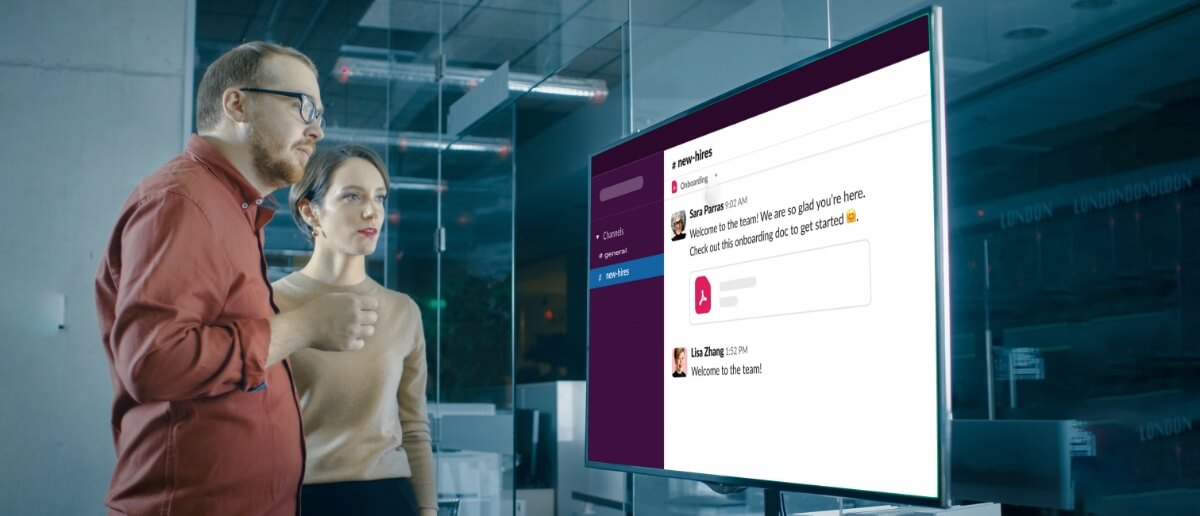
Email, intranets, Slack, Microsoft Teams, the tools that keep desk workers connected are irrelevant on the factory floor. According to Axios HQ's 2023 State of Internal Communications report, 83% of deskless workers say they feel out of the loop compared to their desk-based colleagues.
2. Shift Fragmentation Breaks Communication Continuity
Manufacturing operations run in 8- and 12-hour shifts, often 24/7. Information shared in one shift rarely carries cleanly to the next. Supervisors filter, compress, or simply forget to pass along company-wide messages — leaving workers feeling excluded from decisions that affect them.
3. Physical Environment Limits Informal Connection
In an open-plan office, workers overhear conversations and pick up cultural cues informally. In a manufacturing facility, equipment noise and spatial separation prevent these organic moments of connection. Workers can spend entire careers without meaningful visibility into company direction.
4. Recognition Is Inconsistent or Invisible
Many manufacturers run recognition programs, but execution on the factory floor is poor. An "Employee of the Month" award that lives on the intranet is invisible to line workers. Recognition needs to be public, visible, and timely to influence engagement and most manufacturer programs are none of these.
What Are the Top Strategies for Manufacturing Employee Engagement?
The strategies that work for factory floor engagement share one characteristic: they meet workers where they are, not where management wants them to be.
See How Pickcel Drives Factory Floor Engagement
From production dashboards to recognition walls — book a demo tailored to your manufacturing environment.
Strategy 1: Visible Communication — Put Information on the Floor
The most effective single lever for factory floor engagement is making information visible in the physical environment. Production updates, company news, safety milestones, and team recognition need to appear in the spaces workers occupy and not on a website they never visit.
Digital signage software is the primary infrastructure for this. Screens at entry points, break areas, and on production lines can deliver the same company-wide communication that email delivers to desk workers in a format requiring no device, no login, and no active decision to consume.
Strategy 2: Structured Shift-Change Communication
Pre-shift safety and production summaries are displayed on screens at entry checkpoints at shift changeover times can tell incoming workers what happened during the previous shift, what the current shift is working toward, and any recognition or acknowledgements. This structured briefing replaces the ad-hoc supervisor relay that currently loses information at every handoff.
Strategy 3: Real-Time Production and Performance Visibility
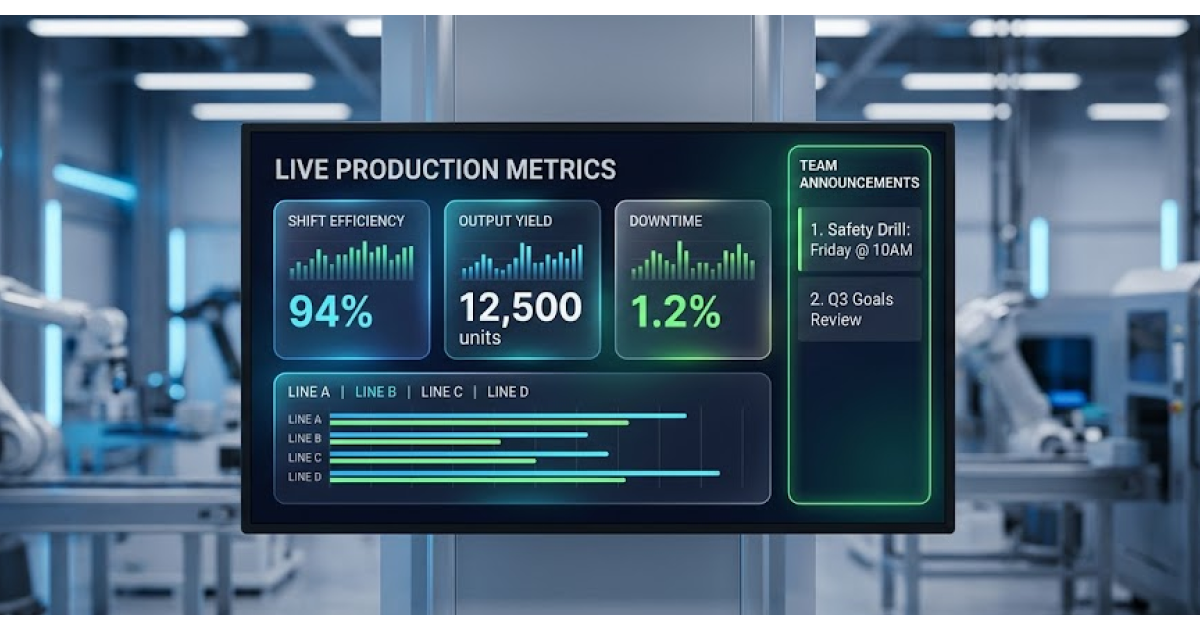
Workers who can see how their output connects to team and facility goals are more engaged than those working in isolation. Displaying production targets vs. actuals, quality rates, and OEE (Overall Equipment Effectiveness) metrics on screens near production lines creates a shared sense of purpose.
Research from MIT’s Sloan Management Review found that when frontline workers had visibility into performance data relevant to their work, team-level productivity improved by 11–13%.
Strategy 4: Public Recognition at Scale
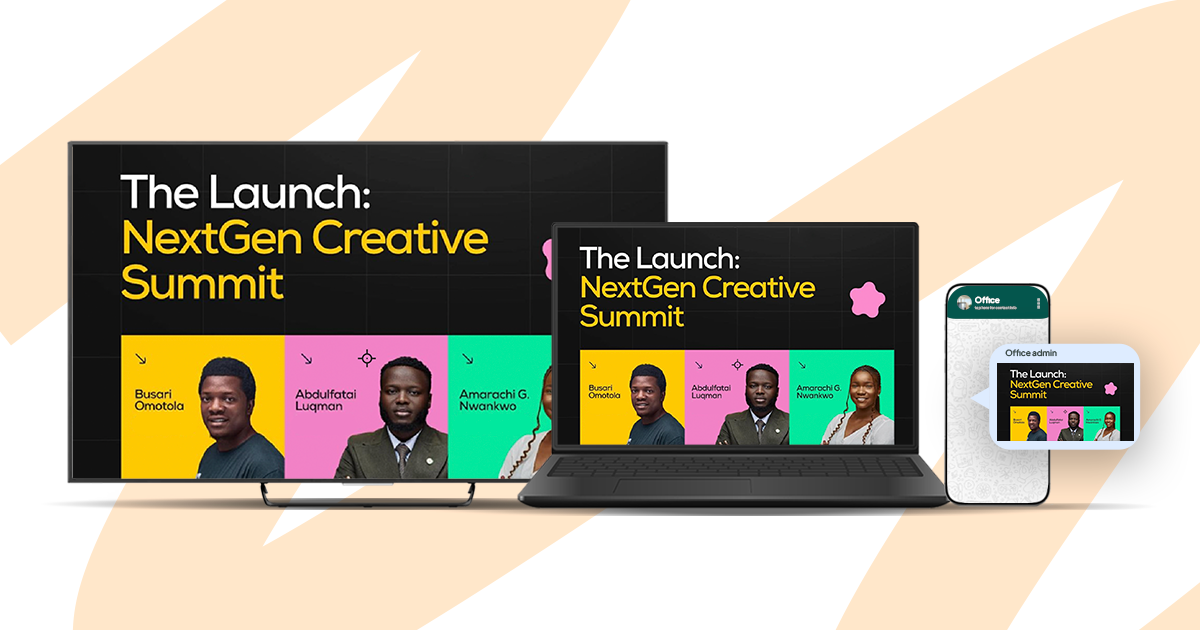
A screen-based recognition system — displaying employee spotlights, safety milestones, team achievements, and work anniversaries on factory floor screens converts a background HR program into a shared cultural moment. According to Gallup analysis, employees who receive consistent recognition are 3.7× more likely to be engaged.
Strategy 5: Two-Way Feedback at the Point of Work
Short pulse surveys prompted by QR codes on break room screens give workers a frictionless way to share feedback without logging into a system. When organizations respond to survey feedback and post updates on the same screens, it closes the loop and builds trust. This is the channel most manufacturers miss entirely.
Strategy 6: Career and Learning Visibility
Display available training programs, apprenticeship opportunities, and internal job postings on break room screens. Many factory workers are unaware of advancement paths available to them. Visibility alone increases participation in development programs — a leading indicator of engagement.
How Does Digital Signage Drive Engagement on the Factory Floor?
Digital signage drives manufacturing engagement by solving the fundamental communication gap between management and the production floor without requiring workers to carry a device or change their behaviour.
Pickcel’s platform allows HR and internal comms teams to publish content directly to factory floor screens from a central dashboard. Content is targeted by location, shift, department, or role. Key use cases:
| Use Case | Content Type | Update Frequency |
|---|---|---|
| Production dashboards | Live OEE, output targets, quality rates | Real-time (ERP integration) |
| Recognition walls | Employee spotlights, team milestones, anniversaries | Daily / weekly |
| Shift briefings | Pre-shift summaries, previous shift updates | Per shift change |
| Company news | Leadership messages, updates, announcements | As needed |
| Learning & development | Program listings, session schedules, QR sign-ups | Weekly |
| Pulse surveys | QR-linked survey prompts | During break times |
Pickcel manages 9,000+ businesses across 70+ countries, with 150,000+ screens under management. SOC 2 Type II and ISO 27001 certified. Explore the full multi-channel employee communication platform .
How to Measure Manufacturing Employee Engagement
Measuring engagement in a manufacturing context requires metrics that don’t depend on digital participation.
Pulse survey participation rate: If using screen-prompted QR surveys, a rate above 40% indicates meaningful engagement with the program.
Voluntary recognition submissions: The monthly volume of peer-to-peer nominations reflects active cultural participation.
Near-miss reporting rate: Disengaged workers underreport near-misses. An increase in voluntary near-miss reports signals improving psychological safety.
Absenteeism rate: Track monthly as a lagging indicator. Sustained improvement typically appears in absenteeism data within 6–12 months.
Internal promotion and training participation: An increase in internal applications and training enrollment after content becomes visible on screens suggests workers are being reached and motivated.
Frequently Asked Questions
How do you improve employee engagement in manufacturing?
Why is manufacturing employee engagement low?
What is the best way to communicate with factory workers?
How does digital signage improve manufacturing morale?
What engagement programs work best for deskless workers?
Ready to Improve Engagement on Your Factory Floor?
See how Pickcel's digital signage platform puts production dashboards, recognition, and shift briefings directly on the factory floor.