
Sep 10 2025

9 min read
September 01, 2025
8 min read


ALL
HOSPITALITY
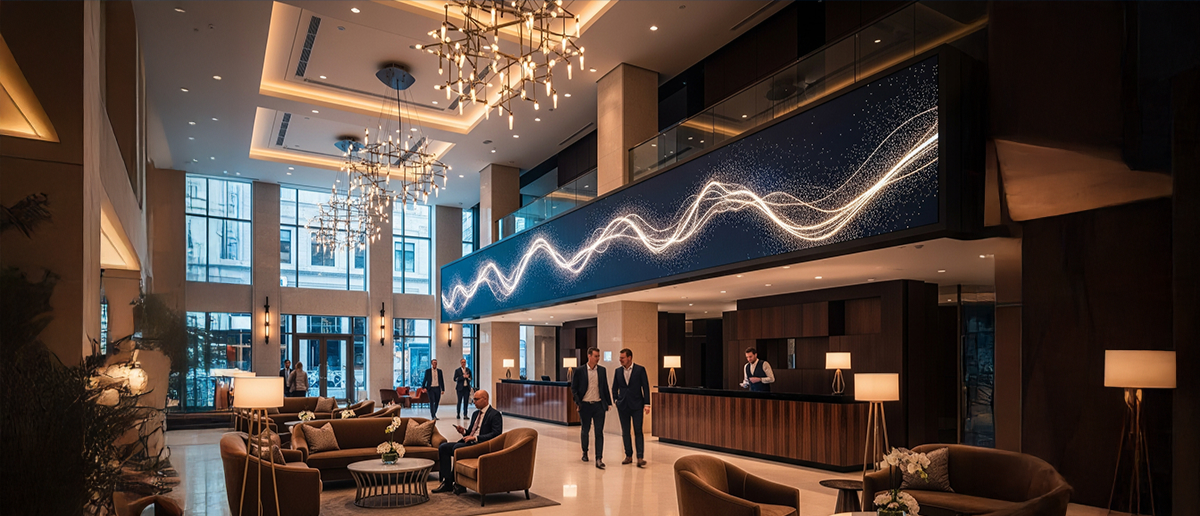
American metropolitan cities are known for their towering skyscrapers and endless rows of high-rise buildings. For someone visiting New York, Chicago, or Las Vegas for the first time, the skyline can feel overwhelming. Many of these buildings look almost identical from the outside, making it hard to tell whether you’re looking at a penthouse apartment, a hotel, or a corporate office.

This is where fascia displays steps in. Fascia digital signage refers to exterior architectural layouts designed in hotels, malls and popular business hubs to hold LED screens and display boards. Hotels and hospitality businesses increasingly rely on fascia signage to stand out in crowded urban environments. These signs don’t just serve advertising and branding purposes, they blend into a building’s architecture while guiding guests and creating a strong brand identity.
In 2026, digital signage has become more than just a visual marker. It is part of a larger transformation in hotel and hospitality branding, combining design, guest engagement, and even safety protocols into one system.
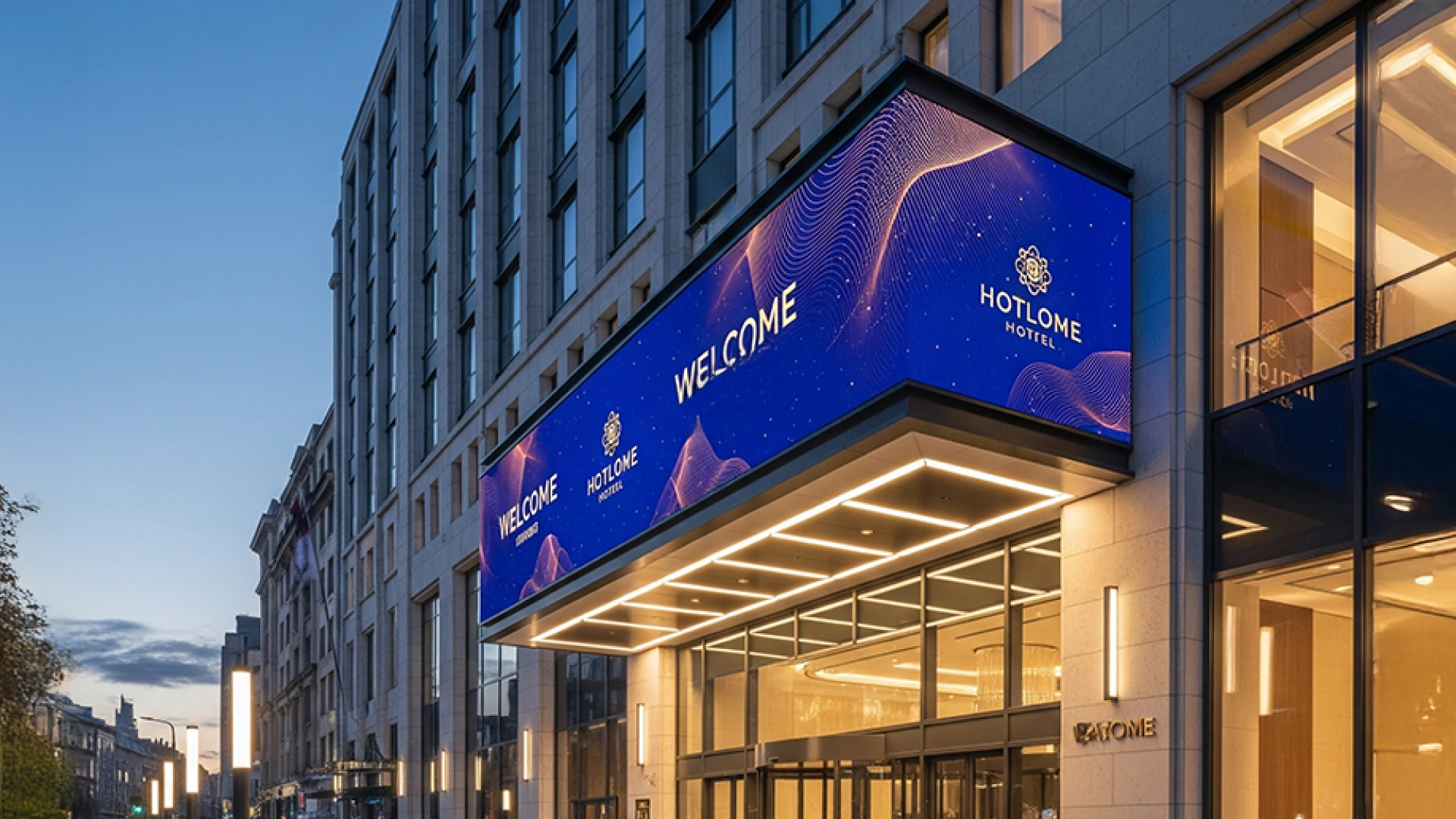
A fascia is the vertical or horizontal surface of a building’s exterior that runs along the edges of the roofline, storefront, or facade. Traditionally, businesses used fascia for static signage– painted boards, carved letters, or illuminated signs.
With the advancement of digital signage software and LED technology, fascia has evolved into a prime location for signage displays. Modern fascia digital signage now includes:
LED billboards showcasing brand visuals and hotel names.
Dynamic video walls that run promotional content or welcome messages.
Architectural-integrated displays that enhance the design without disrupting aesthetics.
For hotels and resorts, fascia signage creates immediate visibility for guests and helps them differentiate the property from surrounding structures. For instance, a large animated LED fascia display in Times Square can instantly tell a visitor that they’ve reached a luxury hotel rather than a corporate tower.
According to a report, the global signage display market is projected to reach approximately USD 27.3 billion by 2029.
Fascia signage is a key driver of this growth as businesses compete for customer attention.
Hotels compete not just with each other but also with short-term rentals and shared accommodations. To attract guests, they need visibility, modern branding, and smooth guest experiences. Fascia digital signage helps in multiple ways:
Instant Recognition:
A digital fascia makes it easier for tourists and guests to identify hotels in crowded urban environments.
Brand Reinforcement:
Hotels can display their logos, taglines, and visuals on dynamic LED fascia boards to reinforce their identity.
Advertising Potential:
Hotels can rent out fascia space for third-party ads or promote in-house restaurants, spas, and events.
Blending Architecture with Technology: Unlike traditional signs, fascia digital signage integrates into the design of the building, maintaining its elegance.
This explains why hotels, resorts, and even casinos are actively incorporating fascia layouts into their exterior designs in 2026.

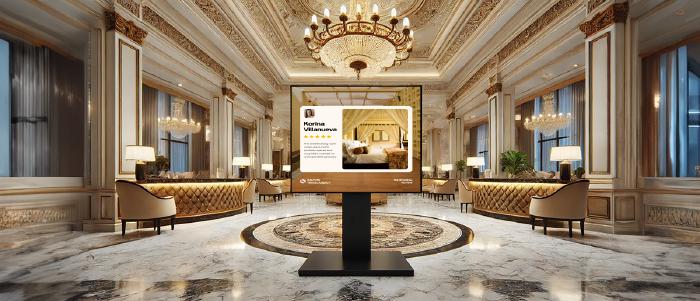
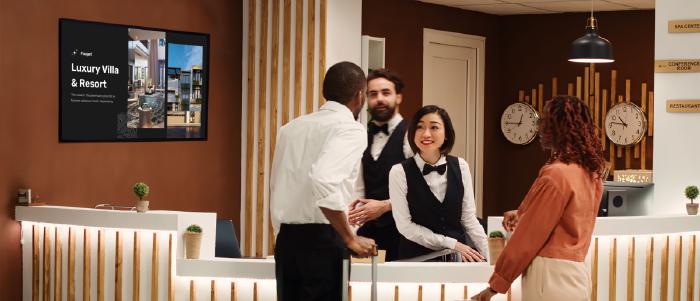
Fascia digital signage is usually placed on the exterior of a building, but it can also be extended to interior usage, transforming lobbies, hallways, restaurants, conference rooms, and guest areas.
Here’s how these displays in hotels adds value:
Wayfinding and Real-time information
Guests arriving at large hotels or resorts often get confused navigating multiple floors, wings, or conference halls. Digital wayfinding maps on signage help them locate rooms, check meal and spa timings, events and ceremony notices, or other amenities with ease.
Staff Reporting and Internal Communication
Signages aren’t just guest-facing. Back-office displays allow managers to send messages instantly to staff, share task checklists, display performance dashboards and other information through one communication channel.
News, Weather & Travel Updates
Guests value quick access to weather forecasts, national and local news on time, something that signage screens can display automatically along with other entertainment displays.
Emergency Alerts and Safety Guides
These smart displays also play a critical safety role. In emergencies like fire, severe weather, or security incidents, screens can instantly display evacuation routes and emergency protocols, something static signs cannot achieve.
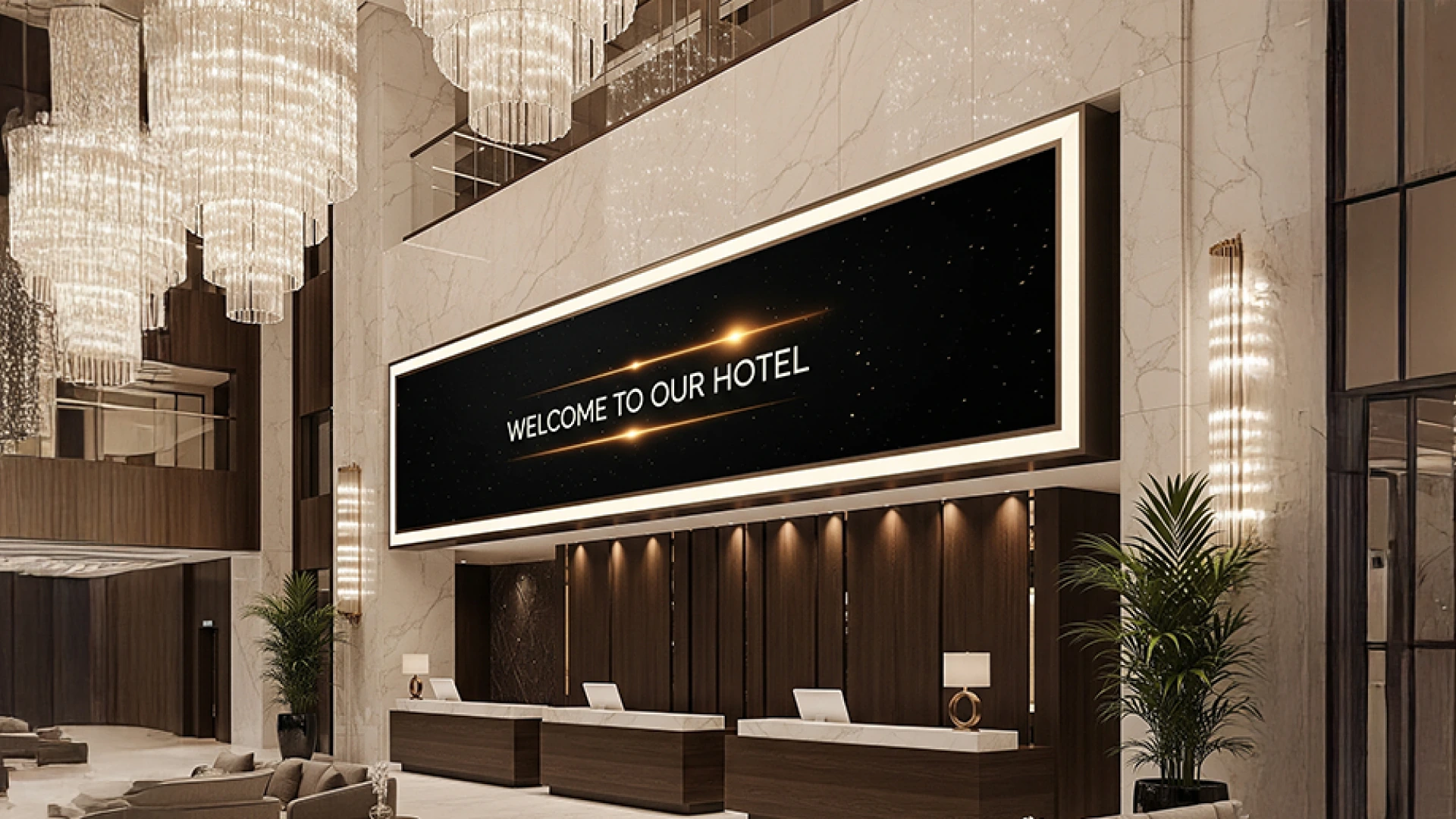
Hotels need to balance information, engagement, and promotion when choosing what content to display. From loyalty programs to upselling, fascia signage works best when it’s part of a larger, well-structured plan.
The most effective hotel signage content includes:
op: Personalized greetings on digital displays create a warm first impression, making guests feel valued from the moment they step in.
Digital concierge services: Screens can act as a virtual concierge, showing nearby tourist attractions, travel guides, and restaurant recommendations to enhance guest convenience.
Promotional offers: Highlight spa and other packages, happy hour deals, or seasonal discounts in real-time to drive upselling and boost in-house revenue.
Event schedules: Keep guests informed with live updates on weddings, parties, or local festivals happening in or around the property.
Transportation info: Display flight schedules, shuttle timings, or available ride share options so guests can plan their travel easily.
Social media feeds: Live brand updates, guest stories, or Instagram walls encourage guest engagement and help build an online presence.
Interactive maps: Touchscreen maps allow guests to explore the property or nearby city attractions on their own, improving navigation and independence.
And the digital advantage of using signage, hotels can automate and schedule this content, reducing manual effort.
Hotels are not just leisure destinations. Many double up as corporate event hubs, hosting meetings, conventions, and conferences. This is where office digital signage comes into play.
For example:
Conference Room Displays: Showing meeting schedules, event names, and directions.
Lobby Directories: Listing corporate events or client names for smoother navigation.
Corporate Branding: Custom signage for companies renting event spaces.
Casinos & Entertainment Displays: High definition event displays create an immersive nightlife experience.
Hotels benefit from integrating office-style signage to attract business clients, reinforcing their reputation as professional event destinations.
According to Harvard’s guide on Best Practices - Digital Signage, centralized management and security are key to making digital displays both effective and safe to be used in facades, lobbies and conference rooms.
Centralized Control: Manage all screens from one dashboard.
Automated Scheduling: Pre-schedule promotions, event content, or emergency alerts.
Multi-Zone Content: Show different content in different areas like lobby vs spa.
Integration: Sync with PMS, weather feeds, or corporate booking systems.
With multiple digital touchpoints, digital signage security becomes critical. Hotels must ensure:
Screens are protected from hacking or tampering.
Guest and corporate data remain secure.
Updates happen over encrypted networks.
Some hotels prefer on premise digital signage to maintain tighter control over their system without relying on cloud networks. This ensures both content privacy and compliance with local regulations.
While fascia signage is a powerful branding tool for hotels, it has diverse usage across other industrial sectors like retail and corporate offices.
Retail Stores: In a busy mall or city street, a dynamic fascia display can announce sales, showcase new arrivals, or simply highlight the store in a sea of competitors, attracting foot traffic.
Corporate Offices: Fascia displays can project a modern, tech-forward image, welcoming visitors and displaying company branding to build a strong corporate identity.
Entertainment Venues: Theaters, casinos, and stadiums use fascia signage to advertise upcoming events, showcase highlights, and build excitement for their brand.
In 2026, customers across every industry expect convenience, technology, and personalization.
Whether it’s a hotel, mall, or office, fascia signage turns any commercial space into a smart communication hub. The technology to attract and engage customers is already here; the only question is how quickly businesses will adopt it to gain a decisive edge.
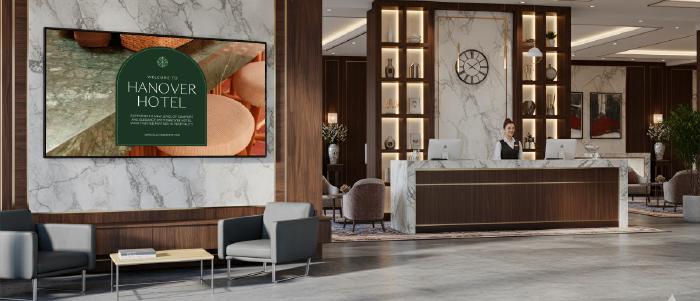
Hospitality signage refers to the use of digital screens in hotels, resorts, and restaurants to enhance guest experience. It can display check-in information, event schedules, promotions, and emergency alerts.
Hotel signage helps streamline check-ins, guide guests with wayfinding, showcase dining menus, promote events, and deliver personalized offers, creating a seamless experience.
A label is typically a small identifier like tags or LOGOs or stickers, while signage refers to larger visual displays, digital or static, used for communication, branding, or wayfinding.
Signage software allows hotels to manage content across multiple screens– lobby displays, room screens, and fascia digital signage– ensuring consistency, easy scheduling, and targeted communication.

Sep 10 2025
9 min read
Jul 29 2024
5 min read
Apr 19 2024
7 min read
Nov 9 2023
5 min read
Take complete control of what you show on your digital signage & how you show it.
Start Free Trial Schedule My Demo