
Dec 24 2025

10 min read
September 22, 2025
10 min read


ALL
GENERAL
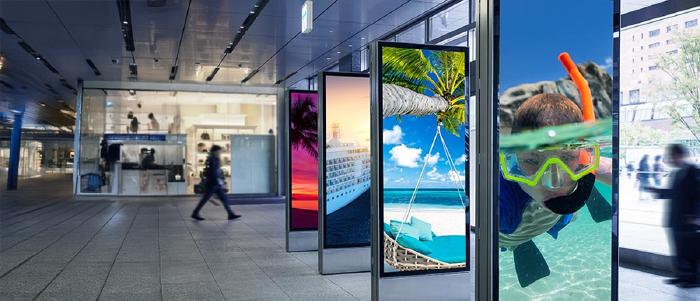
If you’re wondering whether digital signage really works, the simple answer is yes. It works, and it works incredibly well. The more important question is why it works so effectively, and if you’re curious to dig deeper, how it actually delivers real-world results.
We’re all drowning in information. Whether we’re walking down the street, grabbing a bite at a restaurant, shopping at a mall, or just scrolling on our phones, content is everywhere.
The human brain is exposed to nearly 11 million bits of data every second, yet we can consciously process only about 50. This massive gap creates what neuroscientists call an attentional bottleneck. And if your message doesn’t cut through the noise, it gets lost: plain and simple.
At its core, digital signage is any screen used to display information, whether it’s a digital menu in a restaurant, screen sharing updates in an office lobby, or a video wall in a mall.
It runs on a combination of display hardware, content, and digital signage software that lets you manage everything from one place. From advertising to internal communication, its applications are vast and growing.
Want a deeper look?
Read our complete guide:What is Digital Signage? The Ultimate 101 Guide
Digital signage works because it aligns with how the human brain processes information. We decide quickly, emotionally, and often without deliberate thought.
Studies in neuroscience show that the brain is visual-first. We process images tens of thousands of times faster than text. In marketing, that speed matters. But grabbing attention is only part of the equation.
Most buying decisions and brand perceptions begin in the limbic system, the emotional core of the brain. Logic plays a role, but it comes later. That’s why people often can’t explain why a message resonated. They just feel it.
Digital signage effectiveness is not just about visibility. It’s about emotional impact. People may not remember every screen they saw, but they act on what emotionally sticks with them.
This blend of psychology of digital signage, visual design, and smart technology is what makes digital signage so powerful. It doesn’t wait for recall. It shapes behaviour in the moment.
| Benefits of Digital Signage | Business and Branding Impact |
|---|---|
| Captures Attention Rapidly Digital screens use motion, vivid colors, and contrast stimuli that humans are biologically wired to notice. Visuals are processed 60,000x faster than text. | Improves message visibility and brand salience in cluttered environments. Ensures promotional content is seen and remembered. Boosts brand recall and attention share. |
| Enhances Visual Memory People remember 80% of what they see versus 20% of what they read. Visual storytelling reinforces messaging. | Strengthens memory associations with your brand. Enhances recognition across campaigns, locations, or digital and physical touchpoints. |
| Delivers Emotional Impact Movement, facial imagery, and animated transitions trigger emotional responses in the brain. | Creates emotional bonding and trust, key factors that drive higher sales and brand affinity. Supports storytelling-based marketing. |
| Simplifies Message Delivery Gist-based and minimalist designs reduce cognitive overload and improve message retention. | Projects clarity and professionalism, which enhances brand perception and builds trust. Helps people process messages quickly. |
| Adapts in Real-Time Content can change instantly based on | Makes your marketing agile and contextually relevant, leading to better |
| Customizes by Audience With demographic or behavioral data, signage can show relevant messages to different viewers. | Personalization drives customer satisfaction, loyalty, and higher conversion by showing that your brand understands the individual. |
| Enables Interactivity Touchscreens, QR codes, and engagement features turn passive viewers into active participants. | Boosts engagement, dwell time, and interactivity. Makes customer experience more memorable and immersive. |
| Boosts Impulse Purchases Scarcity cues, timers, and urgency-driven | Encourages immediate action, increases average transaction value, and supports |
| Streamlines Merchandising Promote high-margin or seasonal items without physically moving products. | Optimizes product visibility and customer flow. Helps guide decisions, especially in retail environments. |
| Reduces Print Waste & Costs Eliminates recurring expenses for printing, shipping, and distributing marketing materials. | Lowers operational overhead. Supports sustainability branding and improves public perception as a green, efficient organization. |
| Supports Automation & Scheduling Pre-program content changes based on time, day, or event cycles. | Increases efficiency and consistency. Ensures campaigns are delivered on time and without manual intervention. |
| Strengthens Internal Communication Use screens to broadcast KPIs, internal updates, events, or recognition. | Builds stronger company culture, improves transparency, and boosts employee communication and alignment. |
| Improves Safety Messaging Share emergency alerts, compliance notices, or evacuation instructions instantly | Enhances workplace safety and regulatory compliance, especially in high-risk industries like healthcare or manufacturing. |
| Reduces Operational Load Centralized control eliminates manual poster changes and saves employee time. | Frees staff to focus on strategic or customer-facing tasks. Reduces labor costs and human error. |
| Supports Multilingual Messaging Displays can automatically switch between languages based on location or viewer. | Increases accessibility, inclusivity, and relevance in multicultural or global markets. Expands brand reach. |
| Modernizes Business Aesthetics High-res, sleek screens create a clean, modern customer-facing environment. | Elevates brand perception. Customers associate digital signage with innovation, tech-savviness, and professionalism |
| Enables Gamified Engagement Games, trivia, and challenges built into signage attract and entertain customers. | Adds emotional depth, increases engagement, and creates positive brand experiences that are fun and shareable. |
| Personalizes In-Store Experience AI-powered screens or kiosks adapt to loyalty status, past purchases, or behaviors. | Makes customers feel valued and understood, increasing satisfaction and encouraging repeat visits. |
| Provides Measurement Tools Track dwell time, interaction, emotional response, and A/B testing results. | Enables data-driven marketing decisions. Helps refine content, prove ROI, and improve campaign performance. |
| Reduces Long-Term Marketing Costs Initial setup is higher, but monthly costs are significantly lower than traditional advertising. | Offers better ROI over time. Reduces dependency on printers, agencies, and distribution logistics. Adds long-term strategic value. |
Table summary:
Digital signage improves recall, emotional impact, and real-time relevance while lowering investments (both money and time) and streamlining operations. It drives sales, strengthens branding, and improves communication and customer engagement across industries.
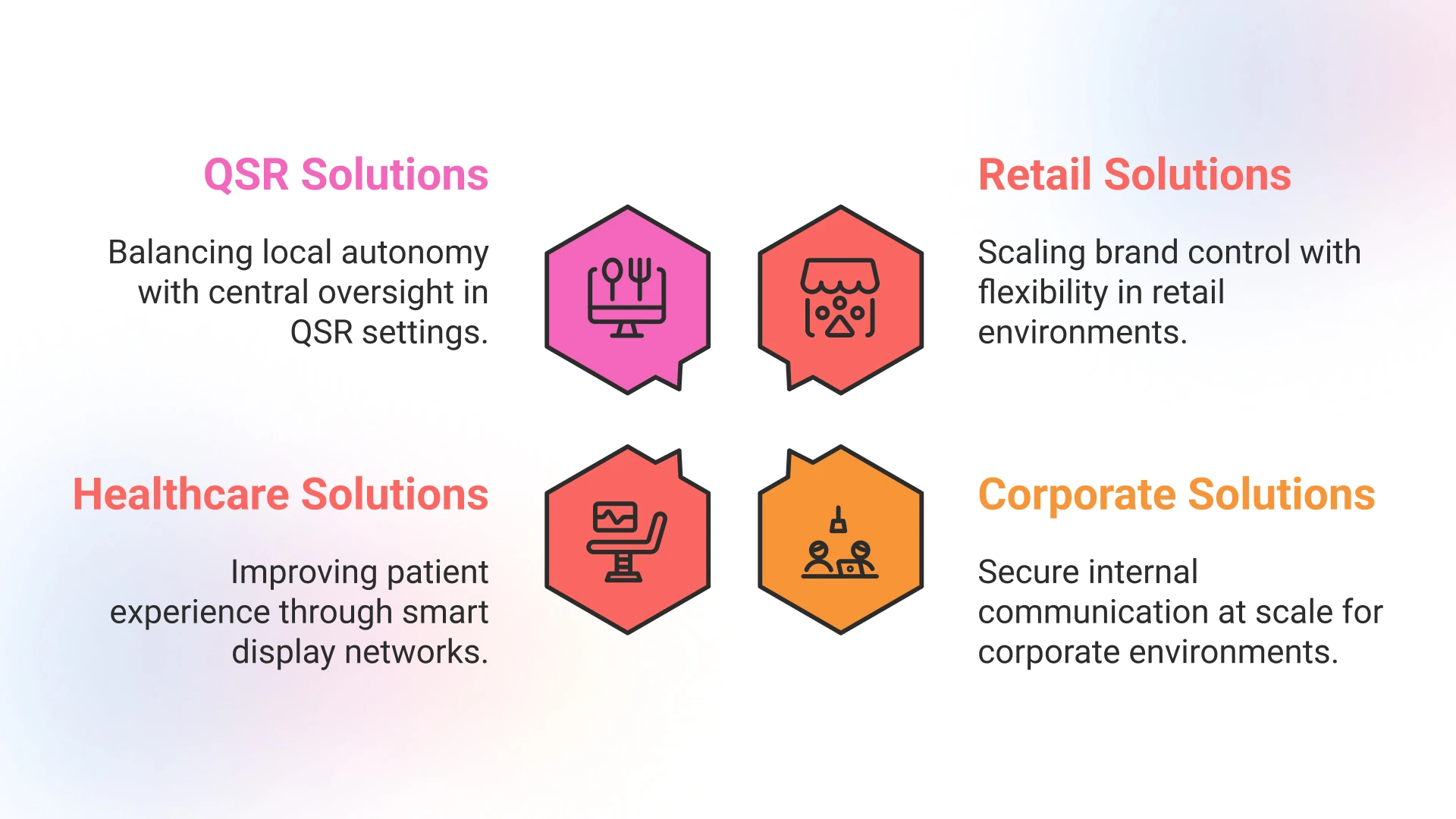
At Pickcel, we’ve worked across industries, retail, healthcare, corporate, QSR, and more, delivering real-world impact for national and global brands.
From solving fragmented communication to scaling retail promotions, our focus has always been on one thing:
Providing reliable,
Secure,
Scalable digital signage solutions.
Here are just a few examples of how we’ve helped businesses transform operations, boost engagement, and improve communication with Pickcel.
Amazon India The challenge? Updating content across 400+ malls using USB drives is slow, expensive, and impossible to scale. Pickcel deployed 850+ digital signage players in under a week, all managed from one cloud-based dashboard. Real-time updates replaced manual work, bringing agility to Amazon’s retail promotions at scale.
Decathlon Their problem was the opposite. With over 200 stores, balancing local promotions with national campaigns was challenging. Pickcel’s digital signage software introduced role-based access, allowing local teams to customize while HQ controlled branding. The result? Higher customer engagement, more flexibility, and brand consistency across all locations.
Mercedes-Benz Berlin With over 170,000 employees globally, internal communication needed to be secure and seamless.
Pickcel delivered an on-premise digital signage software solution that worked with their existing Raspberry Pi setup.
Features like custom user roles, scheduled content, and digital signage security ensured sensitive updates were shared safely across all locations.
From recognition campaigns to real-time updates, their internal communication became smooth, scalable, and inclusive.
Manipal Hospitals In healthcare, time is everything.
Manipal Hospitals needed to engage patients across 850+ digital signage displays spread across more than 400 locations. Pickcel not only managed hospital information and educational content,but also integrated queue management to reduce wait-time frustration.
The result? A better patient experience, improved internal communication, and stronger trust in the brand.
Magnolia Bakery A globally known brand needed to maintain visual consistency across Indian outlets.
Pickcel’s cloud-based digital signage software allowed them to switch menus, offers, and branding across all Samsung displays, instantly and without tech hassles.
The result? A premium, unified experience across every store.
Second Cup Coffee With 1,100+ franchise outlets, they needed a balance between central brand identity and local flexibility. Pickcel built standardized templates and gave each store its own login, ensuring every screen stayed on-brand while allowing for local updates.
Now, digital signage effectiveness is not just about displaying menus; it’s about controlling the customer experience at every touchpoint.
Digital signage isn’t just another screen in the room. It’s a strategic tool built around how the human brain actually works fast, emotionally, and visually. It taps directly into the principles of neuroscience and neuromarketing, turning attention into action and information into influence.
But effectiveness depends on execution. When screens are used without a strategy, show outdated content, or lack a clear purpose, they lose impact and become easy to ignore.
When planned right, digital signage drives attention, improves communication, and shapes behavior across industries, from retail to healthcare to manufacturing.
Pickcel helps you do it the right way with secure, scalable, and reliable digital signage solutions built for real business outcomes.
Yes, digital signage drives business growth by improving engagement, brand recall, and operational efficiency. It delivers dynamic content in real time, influences decisions visually and emotionally, and supports internal communication, all of which contribute to better marketing performance and measurable ROI.
Over time, yes. While digital signage has a higher initial setup cost, it eliminates recurring printing and distribution expenses. Content updates are instant and free, campaigns are more flexible, and hardware can be reused, making it more economical and scalable than traditional print.
Absolutely, digital signage improves customer experience. It delivers real-time, visually engaging information that reduces confusion and wait times. Whether it’s interactive menus, helpful directions, or targeted content, digital signage makes experiences more personalized, accessible, and efficient across retail, healthcare, and service industries.
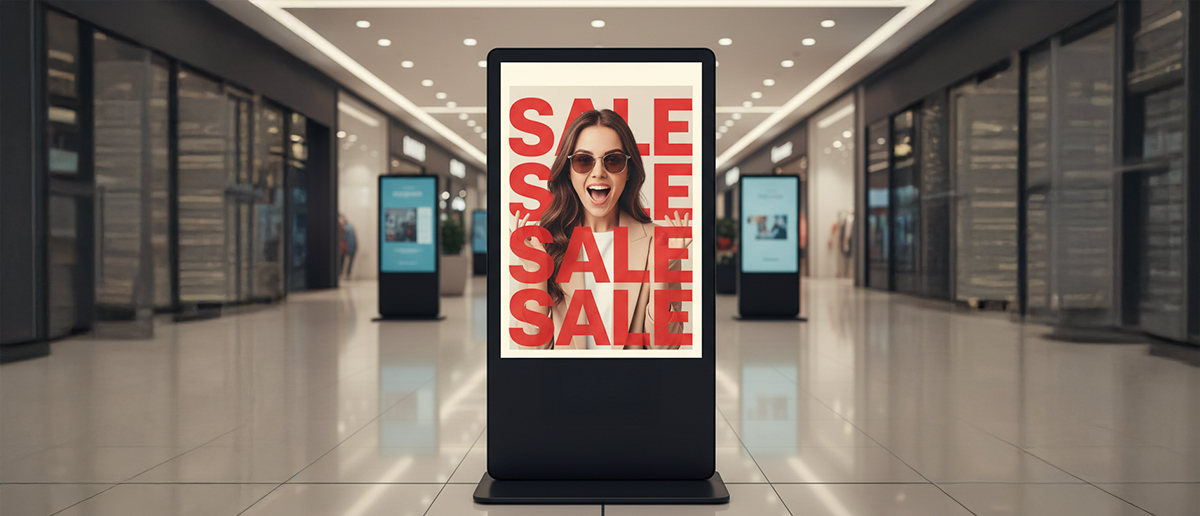
Yes, Strategic placement of vibrant visuals, limited-time offers, and promotional cues at key decision points triggers faster action. It influences emotional buying, drives upsells, and boosts transaction value, especially in retail and QSR environments.

Dec 24 2025
10 min read

Dec 9 2025
14 min read

Nov 26 2025
7 min read
Nov 7 2025
11 min read
Take complete control of what you show on your digital signage & how you show it.
Start Free Trial Schedule My Demo