
Sep 3 2025

10 min read
October 24, 2025
10 min read


ALL
RETAIL
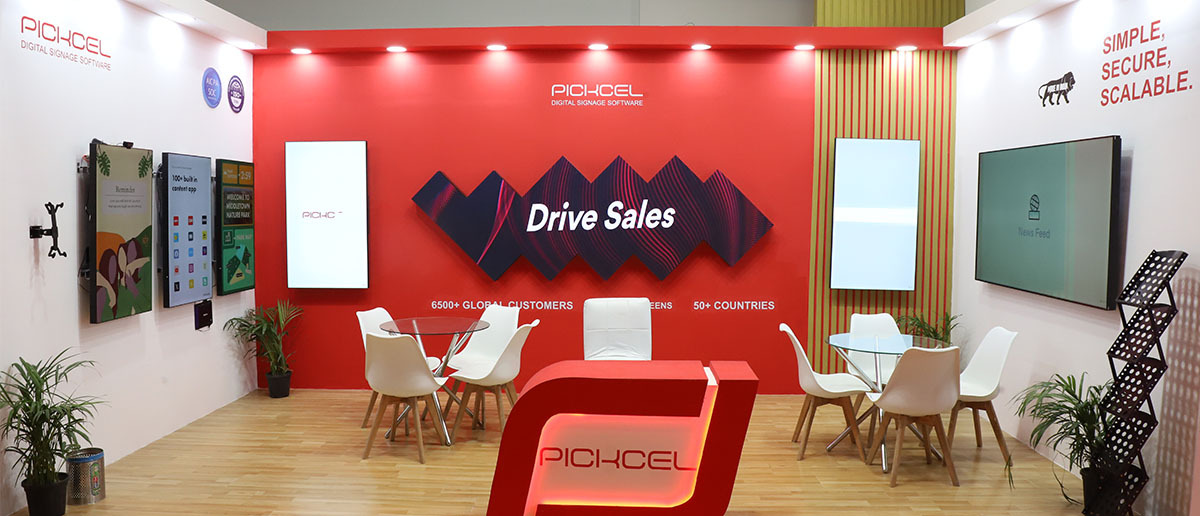
Walk into most trade shows and you’ll see the same thing: digital signage quietly glowing in the background. Slides loop endlessly, vague branding messages float past, and a bit of animation tries (and fails) to catch the eye. Unsurprisingly, people glance once and move on.
It doesn’t have to be that way. With a bit of intention, those screens can do far more than decorate the booth. They can display live schedules, stream product demos, offer interactive elements, or even greet attendees by name. The goal is simple: treat signage less like wallpaper and more like a conversation starter—something that makes people stop, take notice, and actually engage.
One of the easiest ways to make digital signage useful is to show visitors what’s going on in your booth right now. A looping reel of stock graphics is easy to ignore, but a live agenda or a countdown to the next demo gives people a reason to stop and pay attention.
It works because trade shows are busy, distracting environments. Attendees don’t want to miss something interesting, but they also don’t want to waste time waiting around. When the schedule is front and centre, you make their decision simple. A quick message like “Demo starting in 5 minutes” or “Next talk at 2:15” can be enough to turn someone strolling past into someone actually taking part.
Nothing pulls people in like watching a product in action, yet plenty of booths keep demos tucked away or only show them to small groups. A smarter approach is to put that energy on screen use a digital signage software solution to broadcast your demos so everyone nearby can see what’s going on.
Instead of a static slide with bullet points, picture a live feed of your team using the product, solving a problem on the spot, or showing a quick before-and-after transformation. The screen becomes an extension of the stage, giving people at the edges of the booth a chance to catch the action and decide it’s worth moving closer.
The best part? It doesn’t need to look like a glossy commercial. Trade show audiences usually respond better to something real and unscripted than to a polished ad. A simple loop of recorded clips or a live stream can spark curiosity, start conversations, and make your booth feel like the one with something happening.
A bland “Welcome to our booth” message rarely makes anyone feel welcome it usually just fades into the background. A smarter move is to tailor greetings so they feel connected to the people right in front of you. This doesn’t mean tracking individuals or collecting awkward amounts of data; it just takes a bit of forethought.
For example, your signage could greet the host city (“Hello, Atlanta!”), call out an industry group or sponsor (“Welcome, healthcare innovators”), or even give a nod to partner companies with scheduled meetings. These small touches show visitors they’re not just another face in the crowd—they’re part of what’s happening.
Personalised messages can also become conversation starters. If an attendee sees their sector mentioned or their company name rotating on screen, they’re far more likely to stop and say hello. That spark of recognition could be the difference between someone walking past and someone walking in.
At trade shows, people are constantly scanning booths, deciding which ones are worth a closer look. Digital signage can help tip that decision by showing social proof rather than repeating slogans. Think customer testimonials, logos of well-known partners, or even live posts pulled from the event hashtag.
People naturally put more stock in what others say than in a polished sales pitch. A short client quote, a snapshot from a real user, or even a simple line like “Trusted by 500+ teams worldwide” can often grab attention faster than another list of features. It’s the kind of detail that makes someone stop and think, “If they’re working with brands I know, maybe I should take a closer look too.”
Done right, this kind of signage doesn’t just validate—it invites engagement. Visitors who recognise a brand name or see a testimonial that resonates are far more likely to step into the booth and start a conversation.
Beyond the larger strategies, a mix of simple tips and handy tools could make smart digital signage far more effective on the trade show floor. Think of them as easy wins: small refinements in design, timing, and placement that might add up to a noticeable boost in engagement.
Nothing makes signage invisible faster than running the same loop for three straight days. Attendees quickly tune it out, even if the content was strong at first. A smarter approach would be planning small refreshes rotating in new visuals, updating schedules, or highlighting different customer stories as the event goes on.
This doesn’t have to be a heavy lift. Swapping out a background color, featuring a new testimonial, or adding highlights from day-one activity could make the booth feel alive. It also creates a subtle reason for repeat visitors to stop by again—because the screen isn’t just repeating yesterday’s news.
Keeping content fresh shows attentiveness, and in a crowded hall, that attentiveness might be the difference between a booth people glance past and one they return to.
People at trade shows rarely stop to read long blocks of text. If your message can’t be understood at a glance, it’s probably going to be missed. Stick with short, punchy lines that can be scanned in just a few seconds. Pair that with layouts built for distance—big fonts, strong colours, and clear contrast—so the screen can be read from several metres away without effort. Placement matters too: if someone has to tilt their head back or stare at the floor, they’ll move on.
Digital signage shouldn’t just capture attention in the moment. It could also feed directly into your long-term follow-up process. By tying booth interactions to your CRM, you make sure every scan, sign-up, or demo request flows into a system where it can be tracked and acted on, rather than vanishing once the event is over.
For example, QR codes displayed on screens could link to quick forms that drop attendee details straight into your pipeline. If you’re new to CRMs, go for an easy-to-use one like Pipeline CRM, which should help your team log booth engagement without adding extra complexity. This turns signage into more than just a flashy display—it becomes the front door to your sales process, creating continuity between trade show buzz and meaningful post-event conversations.
Animation can help catch an eye, but too much movement quickly becomes background noise. A few subtle transitions or loops are usually enough. Pay attention to the length of your loop as well—around a minute is a sweet spot. It’s long enough to cover the essentials, yet short enough that new passersby always see something useful without waiting around.
Trade shows are notorious for producing stacks of paper business cards that rarely make it past the hotel trash can. Digital business cards could change that by linking booth signage directly to contact details, media, and follow-up materials. With a quick scan, visitors can save everything they need—no typing, no juggling paper.
The real advantage shows up in flexibility. A digital card might hold not just a name and number, but also links to case studies, demo sign-ups, or even short videos. QR codes displayed on signage can point to these dynamic profiles, giving attendees a richer experience than a static handout ever could.
Of course, not all platforms deliver the same value. Some barely function, while others provide robust analytics and customization. Naturally, quality varies widely. Some platforms are polished, while others are clunky at best. If you’re evaluating options, a quick search like best digital business card site:medium.com or simply using phrases like best digital business card & Medium (or any other third-party site) could surface trusted reviews and deeper breakdowns. That little bit of research should save time and help you find a tool that looks sharp, loads fast, and supports dynamic QR codes for analytics.
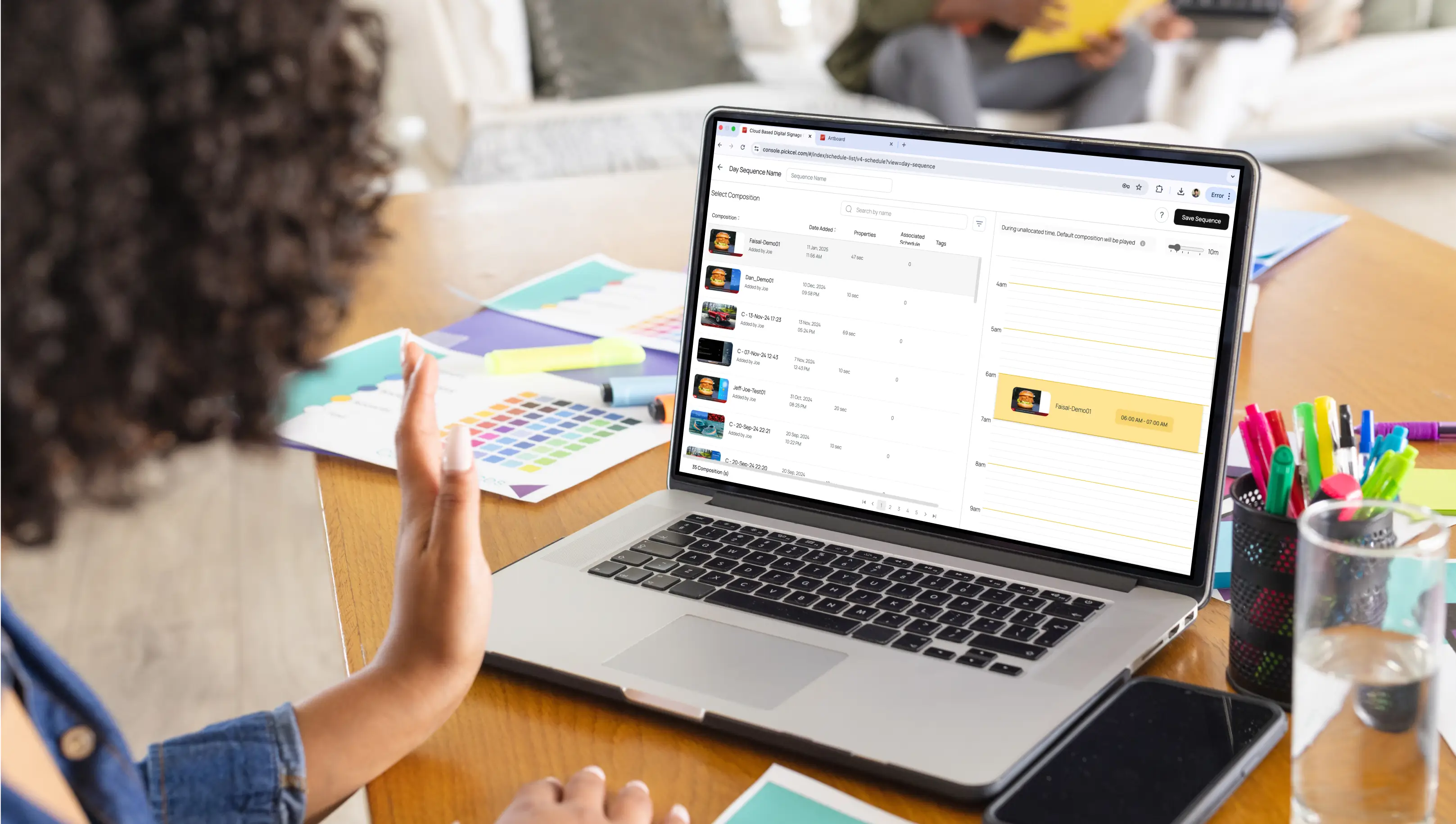
A great idea for signage won’t mean much if it’s a headache to manage once the event gets busy. The easier it is to update, the more likely you’ll keep it fresh. That’s why cloud-based systems like Pickcel are worth considering. Instead of plugging in USB drives or running around to tweak individual screens, you can line up your content ahead of time, push changes from your laptop, and keep everything in sync.
At a trade show, that flexibility makes life a lot simpler. You can drop in a new testimonial, adjust the demo schedule, or highlight social posts without breaking stride. The less time you spend wrestling with tech, the more time you’ll have to actually talk with visitors—and that’s the whole point.
Trade show booths don’t need to fade into the background. When signage is planned with purpose, it stops being decoration and starts pulling people in. The goal isn’t to have the biggest screen in the hall, but to use your screens in a way that makes conversations easier, faster, and more natural. That’s what leaves an impression long after the event is over.
Because it’s usually repetitive, generic, and static. Attendees quickly tune out looping slides or vague branding messages that don’t tell them what’s happening right now.
Live schedules, countdowns to demos, customer testimonials, and short video clips of products in action. Anything that feels current, real, and useful works better than stock graphics.
By linking signage to QR codes, CRM systems, or digital business cards, you can capture visitor details instantly and feed them into your follow-up process. This turns booth interest into measurable sales opportunities.
At least daily. Even small refreshes—like updating schedules, adding a new testimonial, or changing visuals—make the booth feel alive and encourage repeat visits.

Sep 3 2025
10 min read
Apr 29 2025
8 min read
Mar 10 2025
8 min read
Jan 31 2025
7 min read
Take complete control of what you show on your digital signage & how you show it.
Start Free Trial Schedule My Demo