
Dec 24 2025

10 min read
August 13, 2025
8 min read


ALL
GENERAL

The great American sports stadiums are no longer just for homegrown games. Today, stadiums double down as mega-event venues. We can see this with huge concerts like Taylor Swift’s Eras Tour, Coldplay’s shows, or Donald Trump’s presidential parades that gathered a massive crowd, more than any game last season.
What does more crowd mean? The answer is more logistics, more demand for safety and more opportunities to earn.
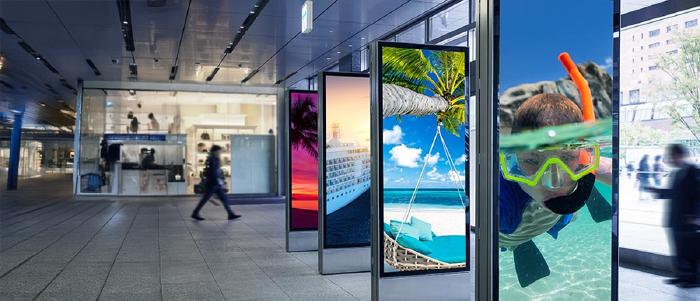
Here’s where stadium digital signage in USA plays a bigger role. They are used for communication and guidance. From the parking lot to the main stands, every display inside a stadium is a tool that can help manage crowds better and generate revenue through promotions, ads, and real-time information. These digital screens get things running smoothly while creating new ways to make money.
In this blog, we’ll look at how digital signage can turn American stadiums into smarter hubs.
A recent study shows the smart stadium market will grow to $41.68 billion by 2029, driven mostly by the increased usage of digital signage screens.
Digital signage in USA stadiums are the bright, smart displays that guide fans to their seats, show safety alerts, promote sponsors, and even hype up the crowd.
It’s simply a collection of electronic screens connected to a centralized network. Signage screens for stadiums are built to work well both inside and outside the stadium grounds. Powered by an advanced digital signage software in USA, this system enables users to access and control what to display on the stadium screens at what time.
This quick remote management is the main reason digital signage screens are so useful. They assist with three main jobs in US stadiums:
The most important job of digital signage in a stadium is to assist people’s flow into the stadium and keep them safe.
Finding your way in a stadium as big as Capital One Arena is hard. Display screens at entrances and main hallways can act as digital maps showing you where to find your seats, the nearest washroom, food stalls, or exit gate.
These screens can be interactive too, enabling your speech or touch to find what you need. Adding such a simple feature means you don’t need as many staff members just to give directions or the basic information.
During extreme weather emergencies, stadiums become shelter grounds or local American communities. And when things get chaotic, every second counts.
In times like this, digital signage becomes the quickest way to alert and inform the people right away. The control team can show emergency directions, easy-to-read instructions like exit routes, on all stadium screens at the same time, which is much faster than just using a loudspeaker.
Nobody would ever want to miss their favourite jam by their most loved artist while they got lost on their way to the washroom, or waiting in a long food line. Screens can show the nearby washrooms and which food stands and washrooms have shorter lines. This helps people cut their breaks short.
Stadium food stands can put digital menu boards, so that people can decide what they want to eat before getting in line. These modern advertising screens provide unique offers and self-assisted kiosks services so that people can order and pay right away without waiting in queues.
Digital signage in NFL and MLB stadiums is not only for managing people. It makes the live shows more spectacular, especially for the back audiences and on field staff. Signage screens are a big part of the show, no matter the kind of event.
Stadiums are some of the first places to use large outdoor screens. Large jumbotron screens have been displaying live game visuals, after replays, and game stats for years now.
Even the smaller displays in the hallways and common areas show game updates or player stats, keeping fans connected to the live action, even when they are not in their seats.
Coachella, Lollapalooza, and many other musical festivals implement digital signage to create a full eutopia experience for fans. They display close-ups of the performance so that the people in the back row seats wouldn’t miss any moment.
Signage screens in concerts also present warm and emotional fan moments and song lyrics for sing alongs. These digital signage add ons make events more special and personal.
One of the most fun uses of digital signage screens in stadiums is to show the fans. Fan cams really turn a game around. They make the crowd a part of the show as people love to see themselves and their friends on the big screen.
Stadiums using screens at political rallies display key messages like media reports and even live votes. This helps build crowd energy and keep up the hype and engagement throughout the event.
Digital screens today are a huge source of income, especially in outdoor advertising, something that American stadiums are already doing. Screens can run different ads between games half-time, before the games and events and even during fan cams.
Some popular ads can be for beer, children snacks and serials, sports apparels, speakers and more. This kind of timed advertising helps brands and companies connect and reach the right people.
Making all this happen in a stadium requires high depth displays, supporting players and devices, and an equally high tech content management system.
Most stadiums use big outdoor signage displays. These screens are very high definition with enough brightness that can be seen clearly even on the sunniest days. They are also built to last for a long time, with outstanding storms and harsh weather.
The resolution and price of outdoor stadium displays are important factors to consider. And the screen’s resolution matters the most. Higher resolution displays cost more but they give excellent clarity.
The prices for these HD screens can range widely. Stadium size LED displays range from $500 to $1,200 per square foot, depending on pixel pitch, brightness, and supported hardware. Poles or directional screens range from $20,000 to $75,000 each. Some full-facade wraps can exceed from thousands to tens of millions of dollars, depending on how big the screen is, its resolution, and where it will be placed.
Each display screen is connected to a digital signage player in USA stadiums that pulls the content from the signage software’s CMS and displays it on the screen in real time.
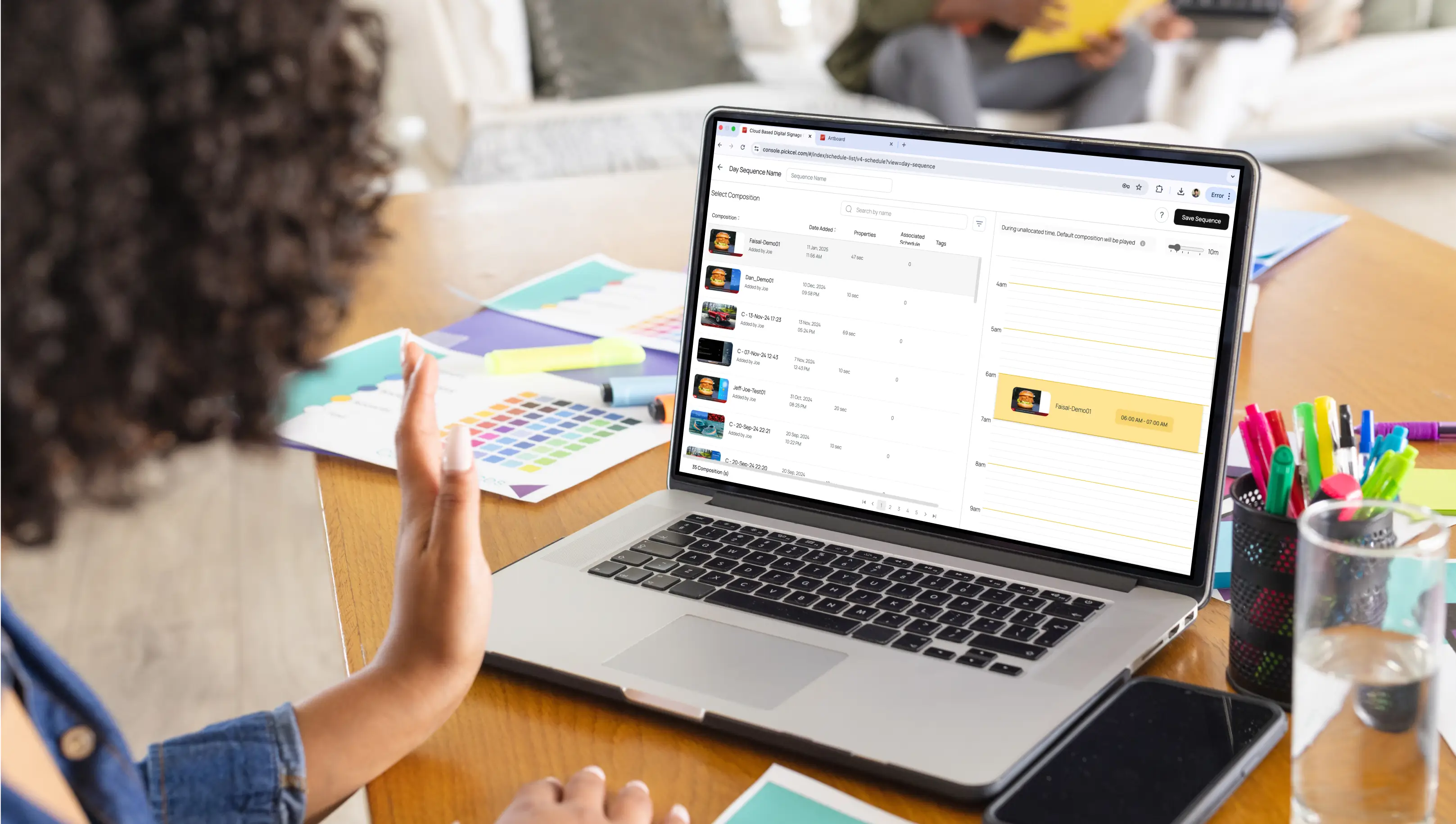
Digital signage security in USA stadiums is a top priority for providers and management teams. That’s why solutions like Pickcel offer both cloud based and on premise digital signage in USA. Thus, giving venues complete content ownership while still enabling flexibility and remote management.
The next time you’re attending any big event in a stadium, take a moment to look at the screens around you- they’re doing far more than we may realize. Digital signage screens are helping build smart stadiums, ensuring that you and everyone around get to have a better, safer, and more fun-filled experience.
You would now agree that digital signage in the US has made our places smarter and more connected. With 5G connectivity and IoT, stadiums can display live information like weather alerts, breaking news, in-seat food ordering, and instant replays on personal devices. This technology can evolve stadiums from just places for sports and into immersive business spaces.
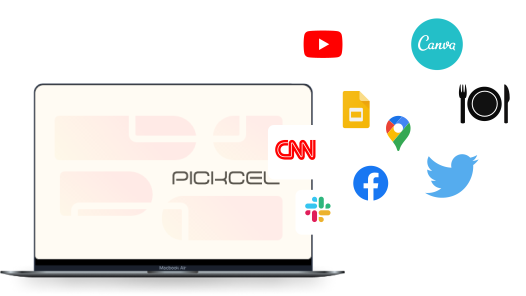
Self hosted or on premise signage systems offer more control and security. However most stadiums often go for cloud-based softwares that allow remote content management and more flexibility for real-time playback.
A jumbotron is one large central display that we see in basketball games, football and more. Whereas digital signage screens include a jubiletron and various screens placed across the venue.
Yes. Smart stadium signage systems can integrate with mobile apps, ticketing platforms, and stadium Wi-Fi to deliver personalized content based on demographics, news and time, and other updates to specific audience segments.
Yes. Outdoor stadium screens are usually weatherproof. They are built with enclosures and temperature control systems to withstand extreme heat, rainfall, snow, and glare without compromising on their high resolution quality and visibility.

Dec 24 2025
10 min read

Dec 9 2025
14 min read

Nov 26 2025
7 min read
Nov 7 2025
11 min read
Take complete control of what you show on your digital signage & how you show it.
Start Free Trial Schedule My Demo